The Influence of X Depends on Which Parent It Comes From

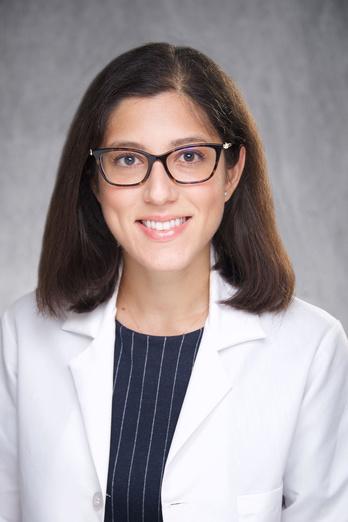
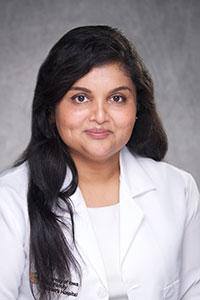
Dr. Catherina Pinnaro

Nope, the newest research results from Dr. Pinnaro are not related to a social media platform formerly represented by a blue bird. Rather, her latest research publication deals with the X-chromosome and how it modifies the risk a person has to develop diabetes. Specifically, the new results show that persons with Turner syndrome who inherited just a single X-chromosome have a higher risk of elevated blood sugar levels if that X-chromosome came from their mother compared to if it came from their father. The manuscript describing the results has been accepted for publication in the journal Hormone Research in Paediatrics (link to article on PubMed). The results may have implications for diabetes in the general population, as males necessarily inherit their X from their mother and for females the impact of risk differences between their two X chromosomes could be influenced by which parent each came from. Dr. Norris from our division also contributed to the manuscript.

Divisional Picture – 2024

A group picture of most of our division – Fall 2024, including faculty, fellows, nurse practitioners, nursing, pharmD, dietary, social work, scheduling, MAs, administrative, and research personnel.

Picture of most of our division, Fall 2024.

The Effectiveness of 3-Years Growth Hormone Treatment for Aggrecan Deficiency

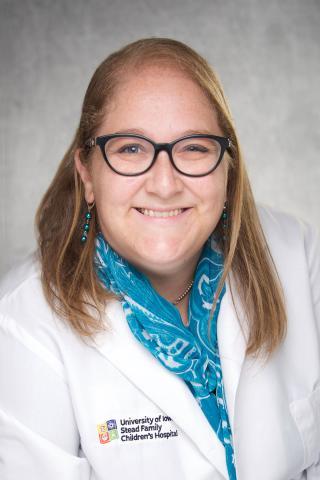
Dr. Eirene Alexandrou

Growth failure resulting in short stature has a variety of causes. One uncommon cause of short stature relates to mutations in the aggrecan gene. This conditions runs in families in an autosomal dominant pattern and causes severe loss of height growth. Osteoarthritis often occurs in adulthood. Dr. Alexandrou is part of a team that now reports 3-year outcomes resulting from growth hormone treatment in children with this condition. She helped co-author the scientific report, which is being published in the Journal of the Endocrine Society (PubMed link to their publication). Briefly their results indicate that roughly 2.5 inches of additional growth were achieved without adverse effects. Studies to determine long-term outcomes are still needed. The publication highlights the importance of bringing children who are growing poorly to be evaluated by a pediatric endocrinologist to help determine the potential causes and to consider possible treatments.

Dr. Pinnaro Elected to the Society for Pediatric Research

Dr. Catherina Pinnaro

The Society for Pediatric Research (SPR) was founded in 1929 and serves “to cultivate a diverse network of child health researchers through collaboration, community, mentorship, and advocacy“. Election to the SPR is selective, recognizing productive, independent, active researchers who are conducting hypothesis-driven research in a field related to pediatrics. We are thus proud to announce that our faculty Dr. Cat Pinnaro has been elected to the SPR, effective January 1st, 2024. Dr. Pinnaro received her medical training at New York Medical College. She then completed a pediatric residency followed by a pediatric endocrinology fellowship, both at the University of Iowa. During this time she was a trainee in both the Physician Scientist Training Program and the T32 diabetes research program and earned a Masters in Translational Biomedicine. She has developed an independent research program focused on identifying genetic modifiers that influence the manifestations of karyotypic disorders. She has contributed to the understanding of diabetes as a complication of Turner syndrome and has established expertise in researching the impact of insulin delivery technology. Dr. Pinnaro already has published 19 articles appearing in the PubMed database, despite being an early stage investigator. She successfully competed for an NIH K23 career development award. Additionally, she is an active clinical member of our pediatric endocrinology and diabetes program. Finally, she provides important service to the state and region by being the (volunteer) Medical Director for Hertko Hollow Diabetes Camp for children, located in central Iowa. Congratulations Dr. Pinnaro for this well earned honor of being elected to the SPR.

Dr. Baum, Endocrinology Fellow, Receives National Rising Star Award

Dr. Kyle Baum

The Pediatric Endocrine Society is dedicated to advancing the treatment of children and adolescents with endocrine disorders. Part of its mission is to identify and support talented young physicians who show acumen for biomedical research. For this purpose, the Pediatric Endocrine Society has created a competitive “Rising Star Award”, which provides funds to support research being conducted by pediatric endocrine fellows. We are pleased to announce that our own 2nd year pediatric endocrine fellow, Dr. Kyle Baum, has been announced as the recipient of one of these competitive awards. The funded project is entitled “Role of FoxOs in muscle strength and mitochondrial function in response to GLP-1RA weight loss“. Congratulations Dr. Baum on this recognition and support.

Advancing Pediatric Thyroid Care : The Child and Adolescent Thyroid Consortium (CATC)

Dr. Pesce

Thyroid disorders can affect individuals of any age, including teenagers, children, and infants. Pediatric thyroid disorders can include hypothyroidism (low thyroid hormone levels), hyperthyroidism (excessive thyroid hormone levels), thyroid nodules (growths on the thyroid), and even thyroid cancer. Dr. Liuska Pesce, a pediatric endocrinologist and faculty member of our division, is a thyroid expert focused on providing the best treatments for these conditions in young patients. She is a member of the Child and Adolescent Thyroid Consortium (CATC – click for website). This consortium is a collaboration of leading pediatric thyroid specialists across the country who have the goal of “improving outcomes for children and adolescents with thyroid disease” especially through synergistic research across institutions. Of the 20 member CATC hospitals in the USA, only three are not located in states on the east or west coast. We are fortunate at the University of Iowa Stead Family Children’s Hospital to have a specialist like Dr. Pesce who has devoted her career to compassionate and expert medical care of pediatric thyroid disorders.

Our Program Ranked Among the Best Children’s Diabetes & Endocrinology Programs Nationally

We are excited to share that our Division has been rated among the Best Children’s Hospitals for Diabetes & Endocrinology Care by the US News & World Report 2024-2025 annual national report, where we were ranked #25 nationwide. Other top ranked specialties at the University of Iowa Stead Family Children’s Hospital included neonatology (#21), nephrology, urology, neurology & neurosurgery, pediatric cancer, cardiology, orthopedics, and behavioral health.

“Our ongoing strong national ranking is a testament to the steadfast dedication and expertise of our pediatric endocrine physicians, nurse practitioners, specialty nurses, diabetes educators, psychologists, researchers, medical assistants, dieticians, pharmacists, social workers, and all teams members. We remain devoted to provide the best endocrine and diabetes care for the children and adolescents in the region and beyond.”

Andrew Norris, M.D. Ph.D.
Director, Division of Endocrinology and Diabetes
UI Stead Family Children’s Hospital

When Does Pancreatitis Lead to Diabetes?

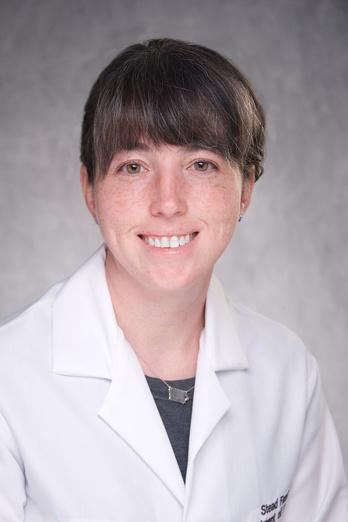
Dr. Parra Villasmil

Persons who have experienced pancreatitis sometimes will develop diabetes. Diabetes that occurs as a result of pancreatitis is not the same as type 1 or type 2 diabetes, and sometimes it is called “type 3c diabetes”. While a fellow in our program, Dr. Parra Villasmil set out to compile knowledge on this subject, especially as relates to pediatric aged patients. Her review on this subject has now been published in the journal Gastroenterology Clinics of North America (permanent link to the article). In the review, Dr. Parra Villasmil summarizes data that 6-8% of children who experience pancreatitis will develop diabetes. The risk can occur after even one episode of pancreatitis but increases after multiple bouts of pancreatitis. The risk of developing diabetes is even higher for persons that have inherited forms of pancreatitis. Dr. Parra Villasmil stress the importance of continued screening for diabetes in persons who have experienced diabetes. The possible pathophysiology of pancreatitis-induced diabetes and treatment options are also discussed. This is an important review, in part because strategies to prevent diabetes in persons who have experienced pancreatitis do not yet exist. The article was written with Dr. Melena Bellin, a Pediatric Endocrinologist at the University of Minnesota. We thank these authors for their contributions to knowledge dissemination.