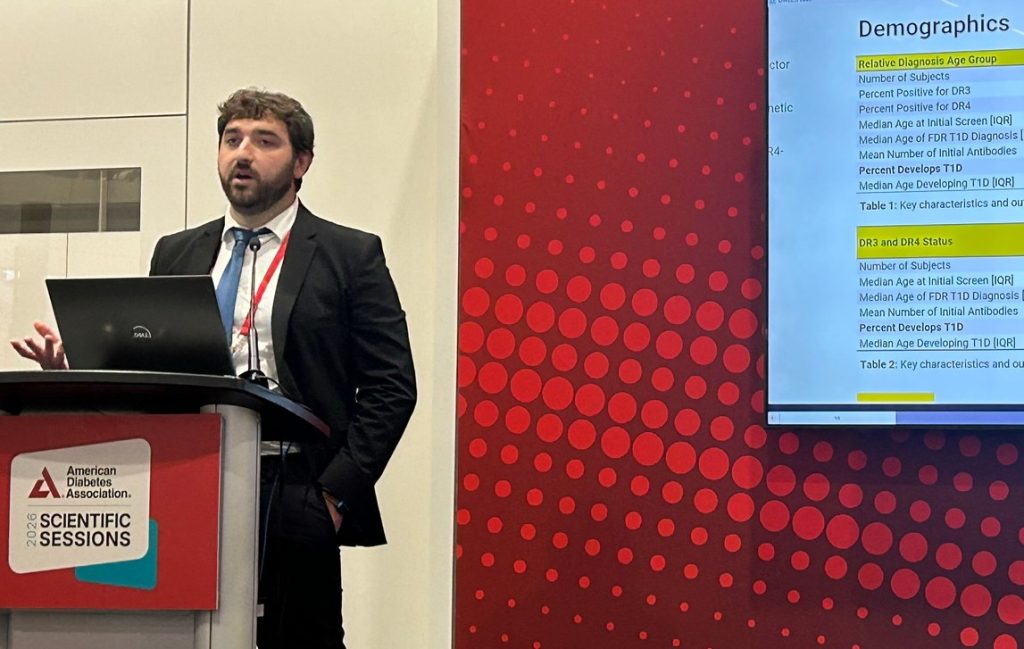
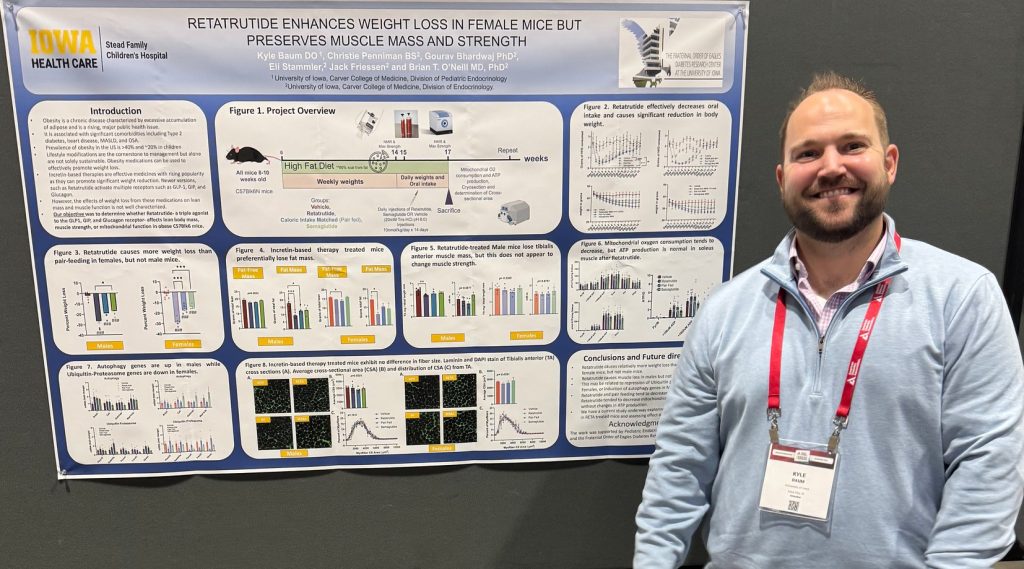
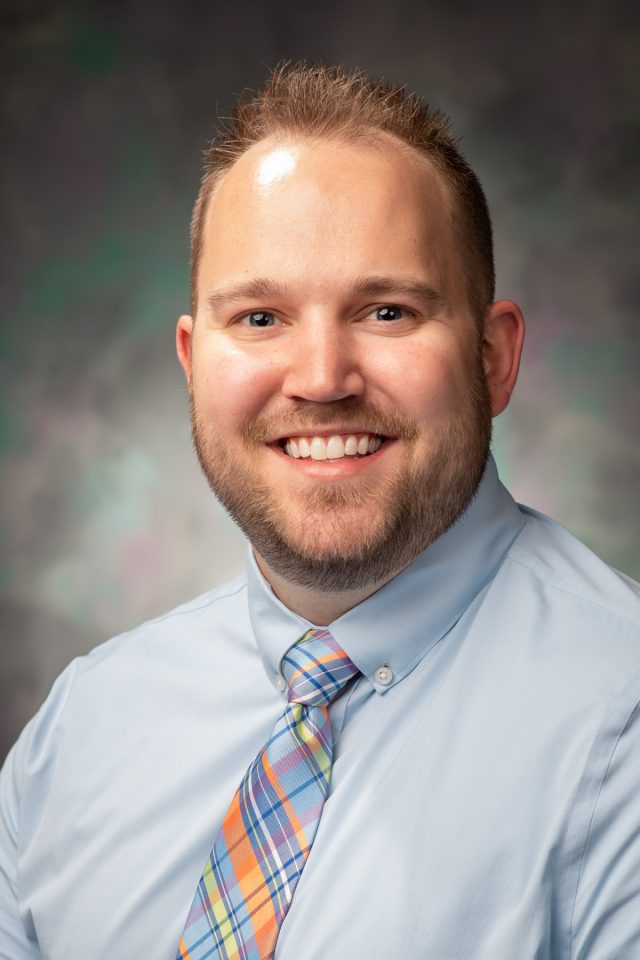
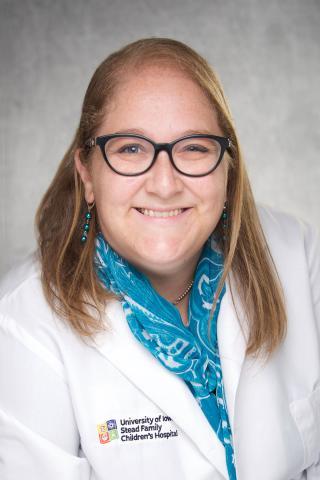
In early June, the American Diabetes Association held its annual international scientific meeting. Over 12,000 diabetes researchers and physicians from around the globe gather to discuss the newest and most important developments in diabetes research. Our two senior fellows had their work selected to be presented at the meeting. We are proud that they were selected for this honor. Also, several faculty from our division contributed to presentations at the meeting including Drs. Larson Ode, Norris, Pinnaro and Tansey. The fellow research presentations were as follows:
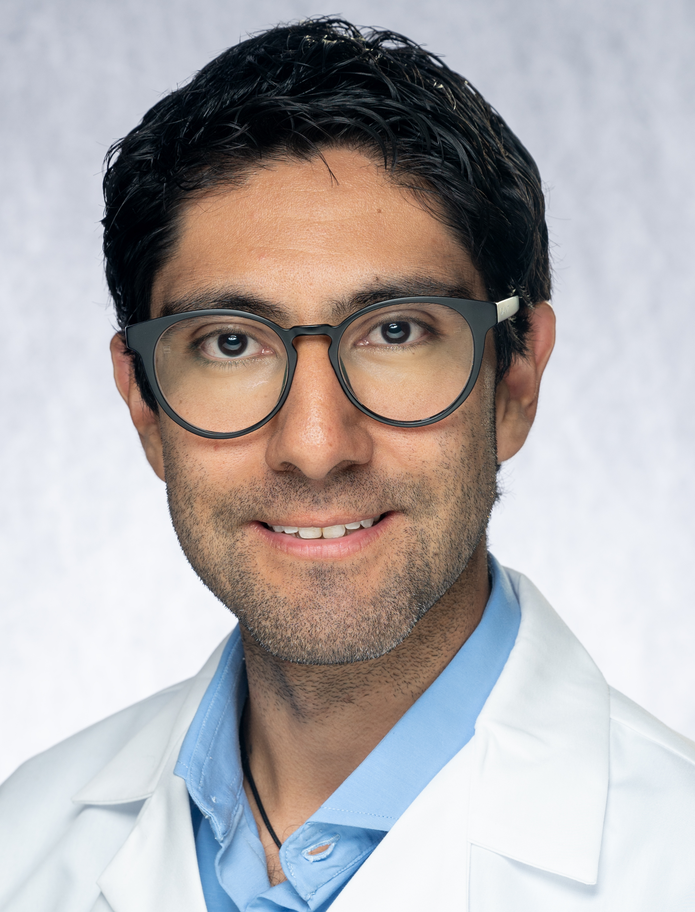
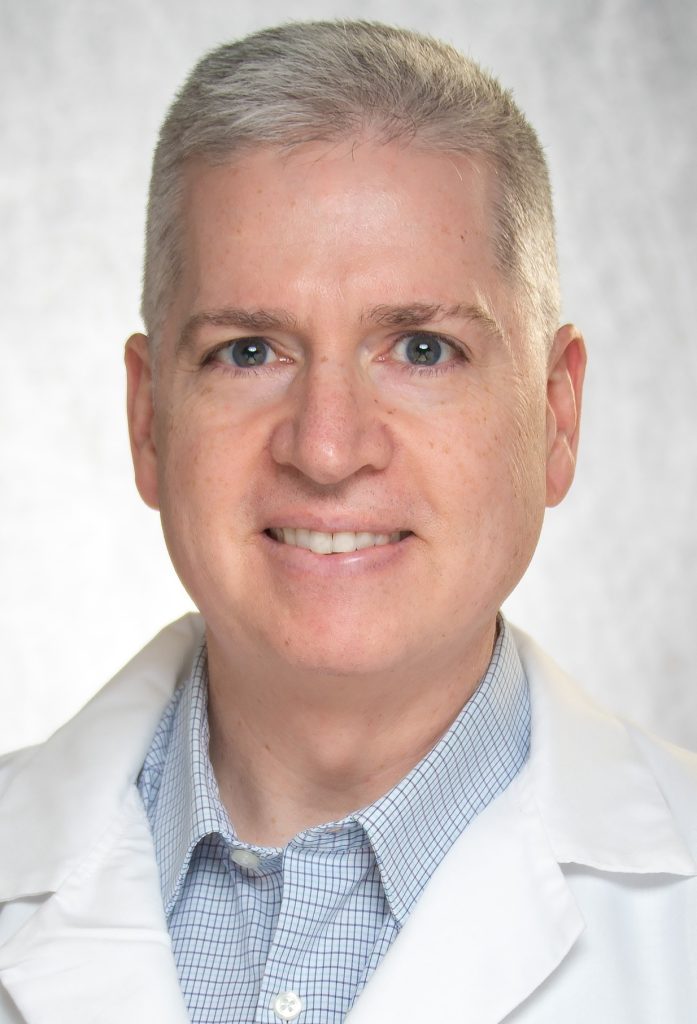
Dr. Power: “Age at Type 1 Diabetes Diagnosis Is an Independent Risk Factor from HLA for Development of Type 1 Diabetes in First-Degree Relatives” (abstract doi link)
Dr. Baum: “Retatrutide Enhances Weight Loss in Female Mice and Preserves Muscle Mass, Strength, and Mitochondrial Efficiency” (abstract doi link)
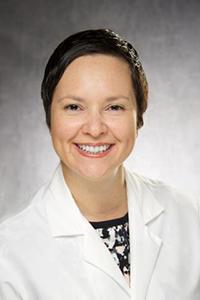
Dr. Pinnaro will soon embark on a new chapter in her pediatric endocrinology career, marking the end of a decade (almost) of connection with our division. She first joined us as a fellow and went on to become an integral member of our faculty, leaving a lasting mark on our community. We are deeply grateful for Dr. Pinnaro’s many stellar contributions to our division’s missions, including enhancement of our fellowship program, provision of skilled clinical care to her patients, leadership of diabetes camp, and creation of meaningful clinical research endeavors. During her time here, she built a thriving clinical research program focused on understanding the increased risk of diabetes in individuals with Turner syndrome. Dr. Pinnaro’s insight, steady judgment, and collegial spirit have enriched our division in countless ways and she will be deeply missed. At the same time, we celebrate her accomplishments and the impact she will undoubtedly continue to have. We wish Dr. Pinnaro every success at the start of an age in her new faculty role at McMaster University.
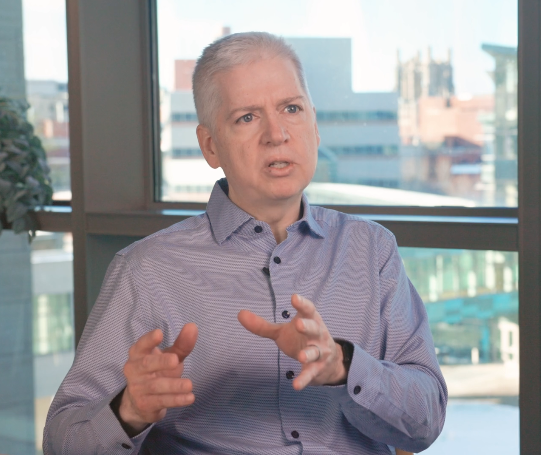
In the following interview, Drs. Norris, Pinnaro, and Tansey discuss the clinical use of teplizumab therapy to delay the onset of insulin dependence in persons with stage 2 (i.e. pre-diabetes stage) type 1 diabetes. Our division was one of the groups that helped conduct the multi-center clinical trials that demonstrated the efficacy of teplizumab. The interview can be found on this Vimeo link.
Each year, pediatric endocrinologists from around the world attend the “PES Annual Meeting”, hosted by the Pediatric Endocrine Society (PES). This year’s PES meeting was held April 30 – May 3. Several Division members were selected to present their research and/or to share their clinical expertise.
Dr. Baum: Presented a poster on his research into how potent obesity medications impact skeletal muscle health.
Dr. Power: Gave a lecture regarding his research examining how the age at which type 1 diabetes develops might run in families.
Dr. Kanner: Gave a symposium talk on primary ovarian insufficiency in adolescents.
Congratulations to all for helping advance the field of Pediatric Endocrinology.
Photos of division members at the meeting can be found in the pictures section here.
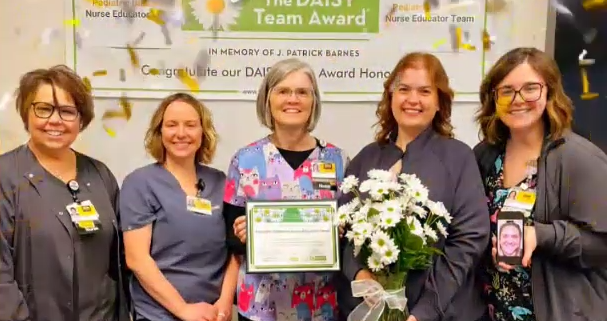
Our division is fortunate to work with a dedicated group of Pediatric Diabetes Nurses. We are thrilled that they have just won a Daisy Award for their work! The Daisy Award recognizes nurses who exemplify skillful and compassionate care to patients and their families. The team is pictured below upon receipt of their award. We thank the Pediatric Diabetes Nursing Team and also the closely related Pediatric Endocrine Nursing Team for being amazing nurses!!
A newly peer-reviewed manuscript addresses thyroid monitoring following intravascular iodinated contrast media exposure in infants and young children. This consensus-based publication was developed in response to the U.S. Food and Drug Administration’s 2022 Drug Safety Communication recommending thyroid function monitoring in children up to 3 years of age after iodinated contrast–enhanced imaging. The manuscript resulted from discussions among a multidisciplinary collection of pediatric endocrinology and imaging experts. The manuscript critically reviews the existing evidence on iodine-associated thyroid dysfunction in early childhood and offers practical guidance on post-exposure thyroid testing and management. Importantly, the authors identify substantial gaps in current knowledge and strongly advocate for well-designed prospective studies to better define the incidence, risk factors, natural history, and outcomes of thyroid dysfunction in this vulnerable population. Dr. Pesce from our division was one of the participating experts and authors of the manuscript. This reflects her commitment to advancing evidence-based guidance at the intersection of pediatric thyroid management and clinical policy, and we congratulate her and the full author team on this impactful contribution to pediatric care. The abstract is indexed on PubMed and can be found here.
A newly published manuscript examines the relationship between HbA1c and continuous glucose monitoring (CGM)–derived metrics in adults with cystic fibrosis–related diabetes (CFRD). This work addresses an ongoing clinical question in CFRD care, particularly in the era of widespread CGM use and modern CFTR modulator therapy. Drawing on real-world data from adults with established CFRD, the study demonstrates agreement between HbA1c and CGM-derived measures of mean glycemia, reinforcing clinical relevance of HbA1c while underscoring the added value of CGM metrics. Dr. Larson Ode from our division contributed to the manuscript, highlighting her ongoing commitment to advancing evidence-based care for people with cystic fibrosis and diabetes, and we congratulate her and the full author team on this meaningful contribution to the field.
Two of our division members were interviewed as part of a podcast to disseminate knowledge about diabetes and obesity in youth. Dr. Gabo Castano and Dr. Lisa Ejsmont (an outstanding PharmD who assists our division) were interviewed by Rounding@IOWA, which is a podcast intended to provide ongoing education to healthcare teams. They were joined by Dr. Uzma Rani, adolescent medicine pediatrician and pediatric obesity healthcare leader. These three doctors were interviewed for nearly an hour and covered a wide range of topics related to pediatric diabetes, both type 1 and type 2, and childhood obesity. The podcast is highly informative for healthcare providers and highly recommended. It can be found at https://uiowace.libsyn.com/90-childhood-diabetes. A special thank you to Drs. Castano, Ejsmont, and Rani for sharing their expertise in this important area!!!
Dr. Larson Ode from our division has co-authored two newly-published, peer‑reviewed articles in the journal titled Endocrine Practice.
Th first article examines the real-world practice of endocrinologists to manage dysglycemia in people with cystic fibrosis who do not meet criteria for cystic fibrosis–related diabetes (CFRD). The study, titled “Between the Guidelines: Variability in Management of Patients with Cystic Fibrosis & Dysglycemia,” reports findings from a national survey of U.S. endocrinologists with CF expertise. The challenge in management is that current guidelines do not address how to manage people with cystic fibrosis who have elevated blood sugar levels that are not high enough to meet criteria to be diagnosed as diabetes. The survey found substantial variation in clinical practice. One frequent approach was use of continuous glucose monitors, though access barriers and disagreement over which metrics are most meaningful highlight uncertainties. Use of lifestyle interventions and medications—including insulin and selected non‑insulin therapies—also varied widely. The results underscore the need for more standardized approaches to support future research and guide evidence‑based care. You can find the PubMed link to the full article here.
A second article reviews endocrine care for people with cystic fibrosis. The publication reviews the evolving endocrine and metabolic considerations in cystic fibrosis in the era of CFTR modulator therapies, with attention to diabetes, bone health, growth, and emerging metabolic risks. The article, “The Changing Landscape of Pediatric Endocrinology in Cystic Fibrosis: Insights from the Post‑CFTR Modulator Era,” emphasizes how advances in targeted CF therapies are reshaping long‑term endocrine management and highlights areas where ongoing research will be essential to guide best practices. You can find the PubMed link to the full article here.
A new multinational, phase 3 clinical trial published online ahead of print in the European Journal of Endocrinology studied the growth promoting effects of once‑weekly growth hormone analog versus standard daily growth hormone (GH) therapy for children living with Noonan syndrome. The results show that the weekly analog approach is superior to the daily approach in terms of enhancing growth rate. The study, titled “Once‑weekly Somapacitan in Children with Noonan Syndrome: Randomised Controlled Phase 3 Trial”. The trial authors included contributions from Dr. Tansey from our Division. A total of 77 children with Noonan syndrome were enrolled in the trial and randomized 2:1 to the once‑weekly standard or daily GH preparations over a one-year period. The children receiving the weekly analog grew a little faster (13% on average, statistically significant) compared with the daily GH group. Importantly, the weekly analog was well tolerated, showing a safety profile comparable to daily GH. It will be important to ascertain the long term impact of the weekly analog on final adult height in this population. These findings highlight a promising, less burdensome therapeutic option for families. We thank Dr. Tansey for his role in advancing this impactful work. The abstract of the work can be found at this pubmed link.